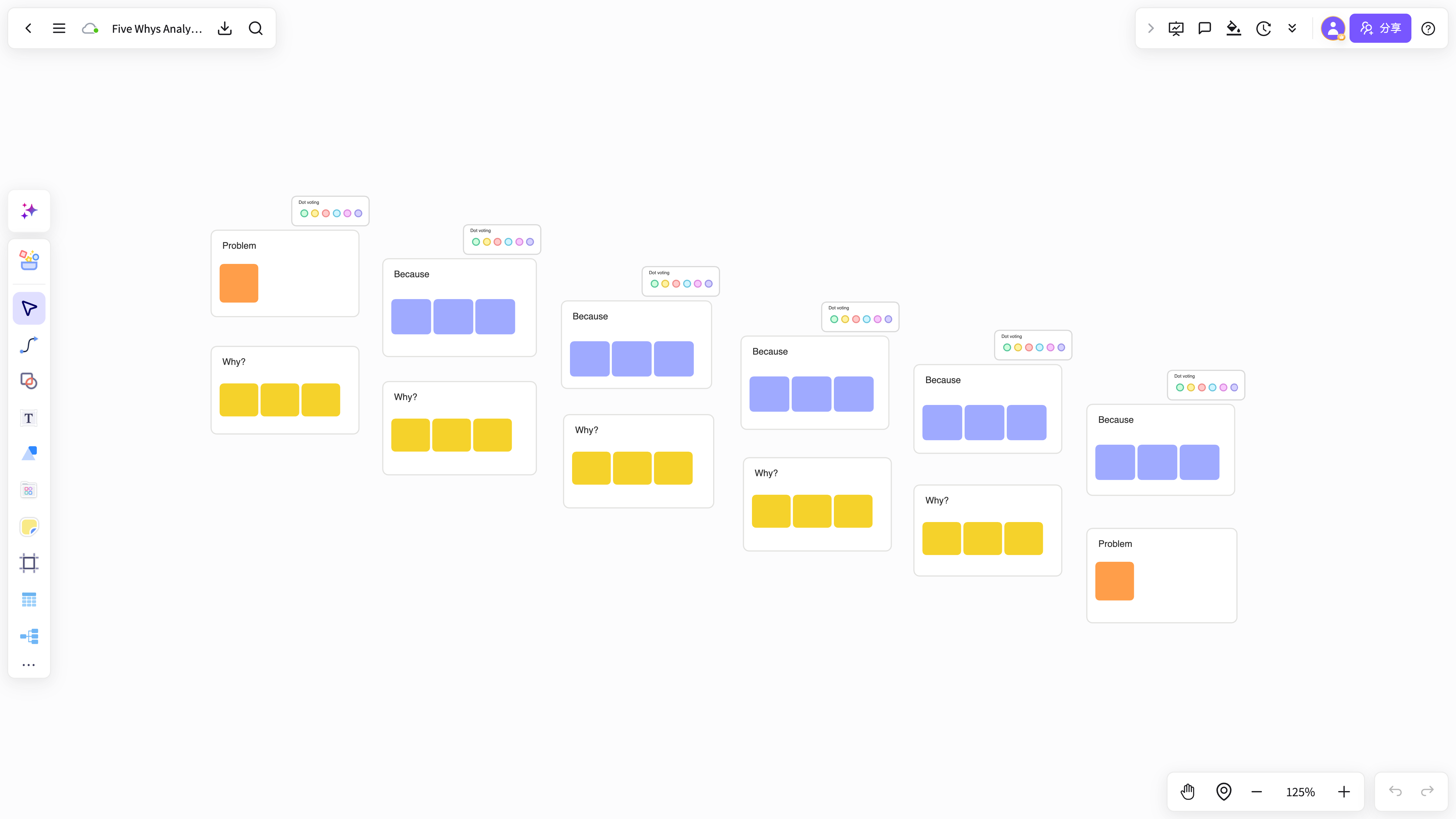
Quality issue 5 Whys analysis
Trace symptoms, processes, and ownership step by step to find root causes faster.
Use NuromBoard to organize symptoms, cause chains, and improvement actions into a clear 5 Whys analysis, with online editing, reusable templates, and team collaboration.
Start with a why-chain draft for issue investigation, project reviews, or incident analysis, then refine it.
Trace symptoms, processes, and ownership step by step to find root causes faster.
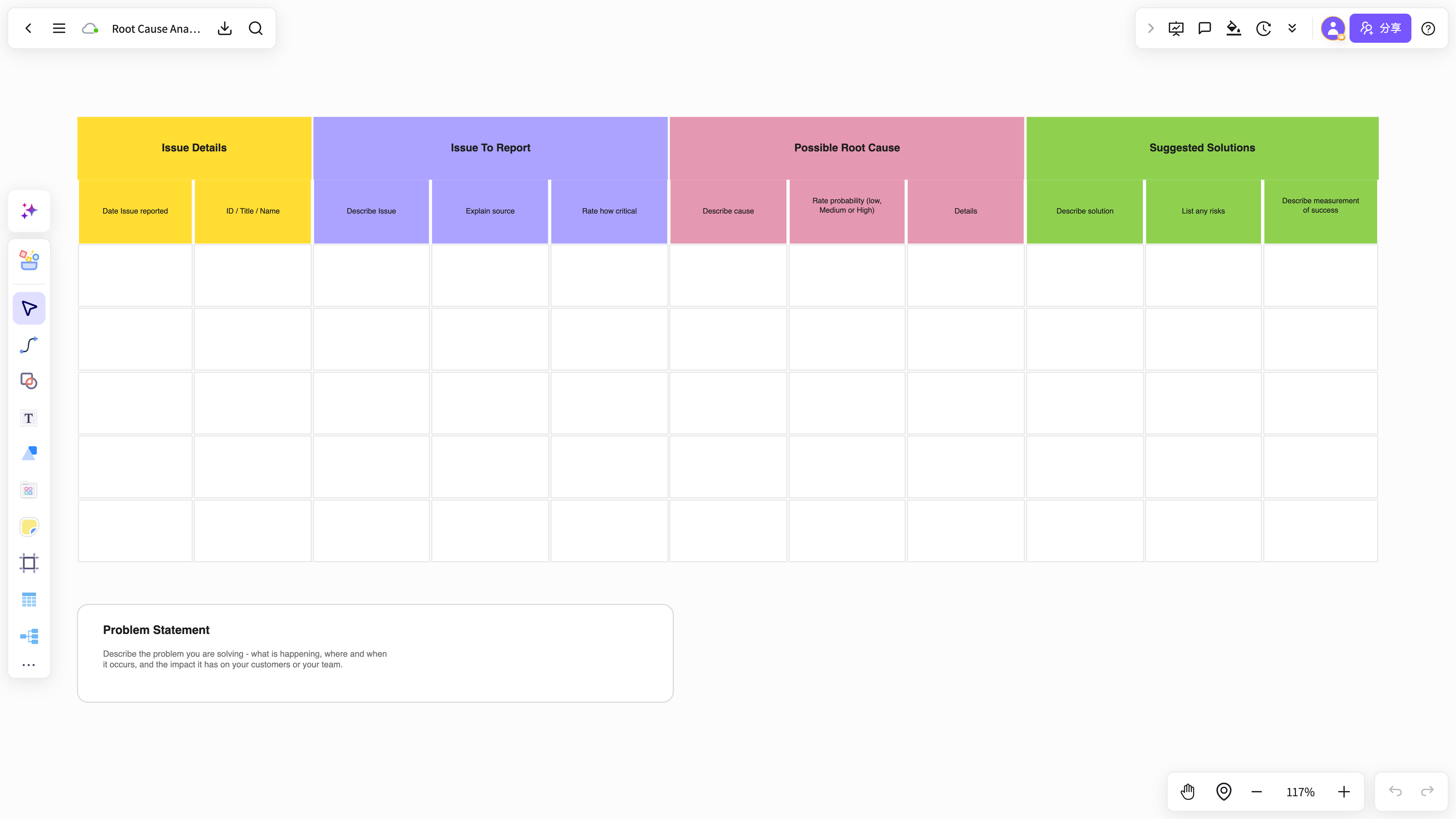
Unpack schedule gaps, collaboration breaks, and resource issues into clear cause-and-effect relationships.
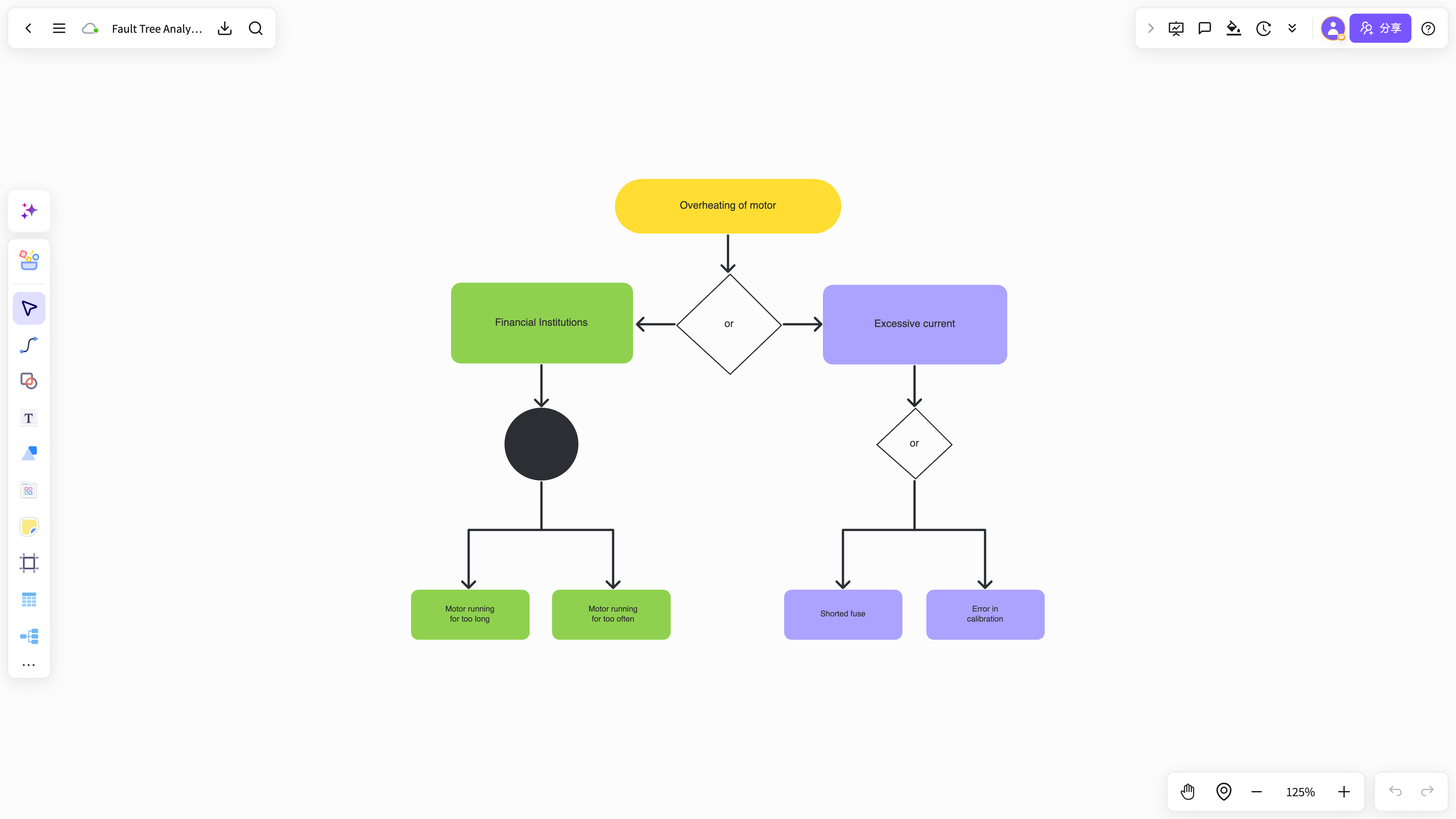
Discuss user feedback, process steps, and system limitations in one analysis framework.
Add issue descriptions, retrospective notes, or meeting conclusions to create a layered path from symptoms to root causes.
Start freeAdd screenshots, source records, notes, and supporting evidence around the why chain to preserve the full process.
Start freeProduct, operations, engineering, and leadership teams can organize findings, evidence, and action items online.
Start freeFrom AI generation and team collaboration to long-term knowledge capture, keep issue analysis moving beyond one diagram.
Create a layered root cause structure from issue context and symptom descriptions.
Start with a template for quality reviews, project issues, or service incidents.
Expand every why clearly for analysis, retrospectives, and team explanations.
Team members can add evidence, root cause decisions, and improvement actions together.
Keep issue decisions and improvement progress from every stage for retrospectives.
Import meeting notes, PDFs, screenshots, and text records, then organize them into an analysis chain.
Turn issue context and retrospective information into a framework built for discussion, review, and action.
Start freeAnswers about workflows, collaboration, and structure that lasts after the meeting.
AI 5 Whys analysis helps with brainstorming, planning, business analysis, project work, and team collaboration when ideas and materials need to become a clear, editable result.
NuromBoard turns documents and meetings into editable structures on one shared working file — so AI 5 Whys analysis moves from a draft into something the team keeps refining after the session.
Yes. Teams edit together, leave feedback, share work online, and review versions on the same working file so discussion and decisions stay connected after the meeting.
Yes. Consultants use AI 5 Whys analysis alongside frameworks like SWOT, PEST, and competitor analysis to structure findings and present recommendations, and teams can invite clients to review the same shared working file.