Common input material
Paper PDFHighlighted passagesExcerpted paragraphsMethod notesCitable quotes
The value of reading a paper lies in capturing its research question, method, findings, limits and citable lines in cards you can revisit. NuromBoard keeps that structure alongside the original PDF and your research map.
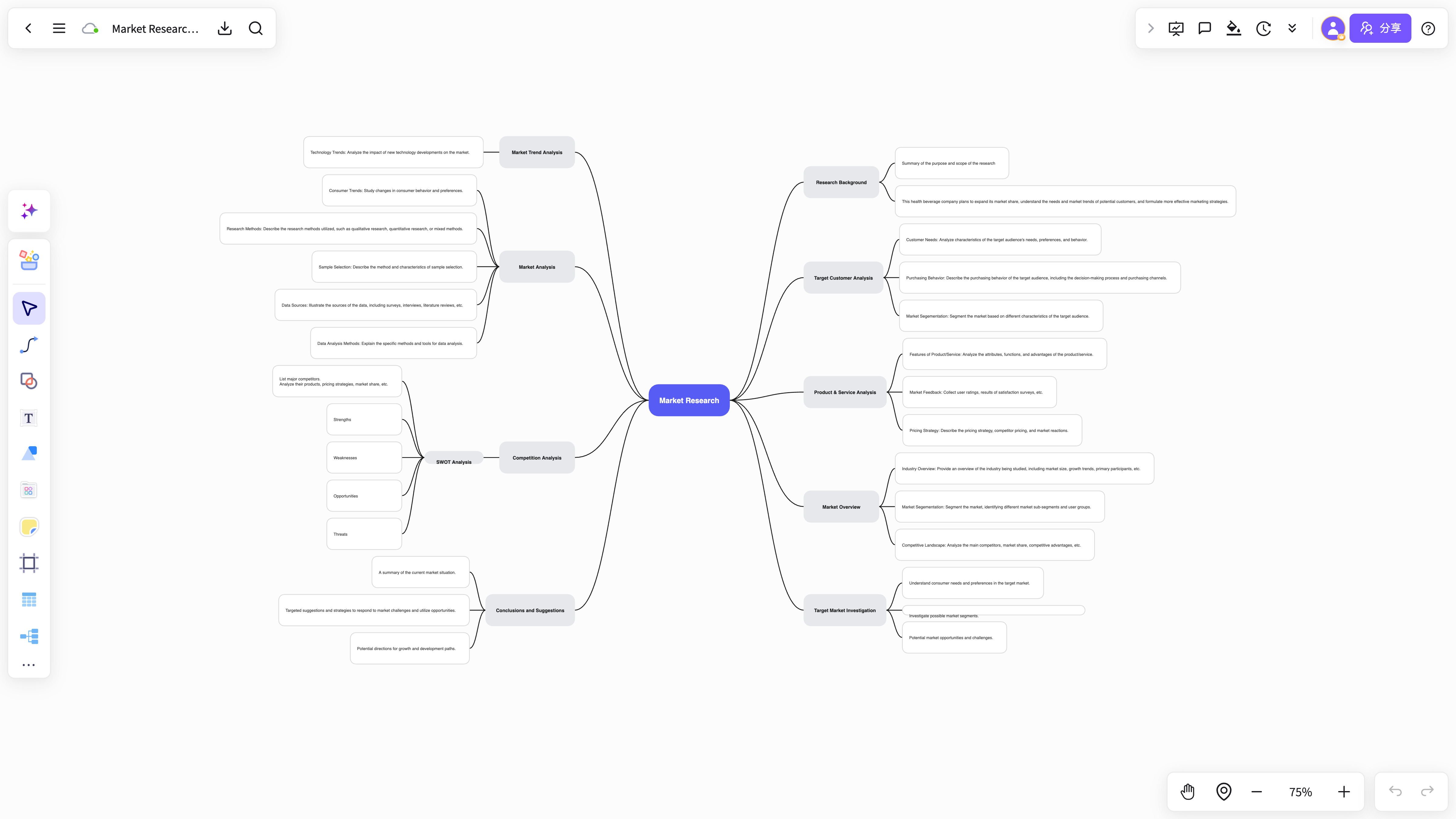
Annotations live inside the PDF, so every review or proposal means re-reading the original.
Questions, methods, conclusions and limitations blur together, which makes comparing several papers hard.
Cards made on their own drop page numbers, context and the citation trail back to the paper.
Mark the research question, method, sample, findings, limitations and citable lines first.
Sort them into question, method, conclusion, limitation and citation cards.
Keep cards, PDFs, mind maps and the review outline inside one project.
NuromBoard keeps the PDF, excerpts, cards and mind map in a single workspace.
Cards are reusable by theme and method, feeding straight into your literature review and research framework.
Best for turning a single paper into structured research cards.
View and use the template →Best for building a card library from excerpts across many papers.
View and use the template →The scenario page answers how the work starts; the method articles continue with the steps, the criteria, and where NuromBoard fits.
Include the research question, method, data source, key findings, limitations, citable sentences and the original source of each quote.
Cards preserve reusable evidence, while the mind map shows how themes, methods and conclusions relate across papers.